
Here is an example of a mother who shares her experience about losing her temper with her children on a family vacation: (shared in the May 2011 Good Housekeeping magazine by Julie Taylor)
“My husband, our two kids and I were enjoying an idyllic trip to Hawaii, and taking in the beauty of the cliffs and coastline. And then my son threw a water bottle from the back seat towards my husband who was driving. It hit the windshield and made a ferocious bang. By some miracle we didn’t crash but we did lose control . . . both my husband and I started ranting, raving, screaming, threatening: “Why would you do that. . . don’t you know we could have been killed? Here we are taking you on the vacation of a lifetime, and you throw a water bottle for no reason?” And on and on we went, spewing way more venom that our preschooler could ever deserve or even comprehend for that matter.
Tears began rolling down our son’s cheeks, and his lip quivered as he fought back his sobs. After what seemed like an eternity to him, we calmed down and continued on our way, and I tried to bury the incident in the back of my mind.
I had almost forgotten all about it when, a few weeks later, I replayed our Hawaii-trip video. There I was, recording a waterfall out the window of the car. I tucked the camera into its bag - accidentally leaving it still recording – and then the “water bottle incident” occurred. Though the screen was black, I heard my husband and myself screaming at our son, badgering him, shaming him. Then it was my turn to fight back tears. How could I have freaked out like that in front of my kids? The rant sounded so much more vicious and vile than I remembered its having been, but there it was on tape—proof that I was a bad mom. I may have erased that incident from the vacation video, but I don’t think I’ll ever be able to erase it from my memory.”
Like it or not, most of us parents flip out in front of our dear children from time to time. Sometimes the anger is aimed at them, other times not, but it’s almost always a deeply unsettling experience. Fortunately, there are simple, sometimes surprising steps you can take to repair the damage, not to mention steps that can be taken to avoid meltdowns in the future.
The high price of losing it on a regular basis in front of your kids can cause some real damage to their psyches. Kids that live with parents who show a lot of anger end up with less empathetic children. These kids are more aggressive and more depressed than peers from calmer families, and they perform worse in school. Anger has a way of undermining a kid’s ability to adapt to the world. There is research to support that the younger the kid the bigger the impact on the child because of being around intense anger on a regular basis.
However, the occasional, non abusive freak-out is generally much less damaging than regular fireworks, which sends a child the message that he or she is not safe and that there’s something wrong with him. That said, kids can actually learn an important lesson from seeing you lose your temper and then regain your cool. “this provides an opportunity to show kids that we all get angry, but what really counts is how we repair things afterward,” says McKay.
If your anger has boiled over, the most important thing to do now is to own up to what you’ve done wrong. Don’t give into the temptation to blame your child for triggering your outburst. “Say, I am very disappointed at your carelessness, but I shouldn’t have yelled like that. It was wrong for me to lose it in that way, and I am very sorry. Don’t over-do the apology or you can make a kid feel as if he’s truly been victimized. Then promise that you will try your best not to do it again. Comfort your child as needed and then move on.
People who live together get angry sometimes. Sometimes fighting between parents can be destructive. Couples can demonstrate emotional maturity when they take accountability for their conflict and apologize to each other and the kids for yelling. It is helpful if the parents offer reassurance and show forgiveness towards the spouse. It makes the child feel safe in seeing that there can still be love expressed even if there was a conflict. Then commit as a couple to handle other disagreements and fighting somewhere else without the kids. No need to drag kids deeper into your drama.
It is okay to give the reason for your anger, however; not a long list, but at least acknowledge that you were angry and then apologize for the way you expressed it. “Emphasize that you would never want them to act that way.” Also say you are sorry if your outburst scared or embarrassed them. (Let’s face it you probably did). Explain that you let your emotions get the best of you, and that you’ll handle it better next time. And then comes the real challenge: making sure that you do something to improve the way you handle your anger.
In our next post we will identify how to tell if you have an anger management problem and what you can do about it, but for now, know that even parents can be forgiven. We do not have perfect children and we are not perfect parents. We are all learning from our mistakes. In our parenting there are gifts in our imperfection, and we can help our children learn important lessons from seeing parents lose their temper, regain their cool and then work to make things good again.
Wednesday, July 20, 2011


Friday, July 8, 2011
Generational Patterns Part 3
Some of the generational patterns that have been passed on in families are beliefs about women and mothering. Different cultures, societies, and families have varying definitions about what it means to be a “good mother”. These expectations are linked to cultural and family expectations.
In our society, women link certain aspects of their self-esteem to their role as a woman and as a mother. Oftentimes women in our day and age place certain expectations towards self that are unrealistic. Mothers put a lot of pressure on themselves to be everything to everybody and in doing so, often judge or criticize themselves as women and as mothers, especially if they perceive they are falling short.
These beliefs are so rigid that if we, as women, are not living up to these expectations then we feel that we are failing. Living with this pressure to meet unrealistic expectations can weaken us in our mothering and undermine the work we were born to do as women.
Generational patterns are the spoken and unspoken rules that are modeled to the children that grow up to be parents. Our mother’s patterns of behavior and communication, verbal and non-verbal were modeled to her by her mother. These patterns are linked to cultural and family expectations.
Some unrealistic patterns or beliefs about mothering that become underlying stressors for women are:
• “My house is supposed to always be clean.”
• “Laundry is supposed to have an end.”
• “My body is supposed to look like what is presented in the media.”
• “Good mothers never get mad.”
• “Good mothers never need a break.”
• “Mothers are supposed to make everyone happy.”
Becoming aware of these deep rooted family patterns means we can let go of unrealistic expectations that are no longer useful. It means that we understand that what we are offering as a mother doesn’t have to match those that have gone before us or those presently living. It means that we see our weaknesses and our strengths in our mothering, instead of only seeing our weaknesses. When we can let go of these deep rooted family patterns we begin to notice and appreciate what we are doing that is working and what it is that we do well as mothers. This increases our confidence as a mother and thus our mothering skills improve.
We need benevolence and tolerance towards our self and other mothers as well. All of us are doing the best we can with what we have. Guilt only paralyzes us and causes us to feel powerless with our mothering. Let go of guilt and release what you don’t get done in the day, trusting that the dawn will bring a new start.
We can as mothers work with diligence and be committed to letting go of perfectionism. As we show tolerance and acceptance to ourselves it is then modeled to our children. Acceptance brings self-esteem and confidence. Learning to love ourselves and being patient with our mothering takes practice.
In our society, women link certain aspects of their self-esteem to their role as a woman and as a mother. Oftentimes women in our day and age place certain expectations towards self that are unrealistic. Mothers put a lot of pressure on themselves to be everything to everybody and in doing so, often judge or criticize themselves as women and as mothers, especially if they perceive they are falling short.
These beliefs are so rigid that if we, as women, are not living up to these expectations then we feel that we are failing. Living with this pressure to meet unrealistic expectations can weaken us in our mothering and undermine the work we were born to do as women.
Generational patterns are the spoken and unspoken rules that are modeled to the children that grow up to be parents. Our mother’s patterns of behavior and communication, verbal and non-verbal were modeled to her by her mother. These patterns are linked to cultural and family expectations.
Some unrealistic patterns or beliefs about mothering that become underlying stressors for women are:
• “My house is supposed to always be clean.”
• “Laundry is supposed to have an end.”
• “My body is supposed to look like what is presented in the media.”
• “Good mothers never get mad.”
• “Good mothers never need a break.”
• “Mothers are supposed to make everyone happy.”
Becoming aware of these deep rooted family patterns means we can let go of unrealistic expectations that are no longer useful. It means that we understand that what we are offering as a mother doesn’t have to match those that have gone before us or those presently living. It means that we see our weaknesses and our strengths in our mothering, instead of only seeing our weaknesses. When we can let go of these deep rooted family patterns we begin to notice and appreciate what we are doing that is working and what it is that we do well as mothers. This increases our confidence as a mother and thus our mothering skills improve.
We need benevolence and tolerance towards our self and other mothers as well. All of us are doing the best we can with what we have. Guilt only paralyzes us and causes us to feel powerless with our mothering. Let go of guilt and release what you don’t get done in the day, trusting that the dawn will bring a new start.
We can as mothers work with diligence and be committed to letting go of perfectionism. As we show tolerance and acceptance to ourselves it is then modeled to our children. Acceptance brings self-esteem and confidence. Learning to love ourselves and being patient with our mothering takes practice.
Thursday, June 16, 2011
Generational Patterns Part 2: The Art Of Mothering
The baby is here! Rylie Kae McNeil was born June 3 at 12:49 am. She weighed 9 pounds and measured 21 inches long. She has a lot of beautiful black hair like her mom. Her mouth and face shape look like her grandpa Robinson. (Everyone has noticed!) She has her dad’s ears and her mom’s dark eyes. These are physical patterns that we can see.
There is also mothering or nurturing patterns that are noticeable as well. There are strong nurturing instincts when it comes to mothering in humans and in the animal world. Mothering brings out the beauty of being a woman. The need to protect and nurture are a powerful part of mothering. This is part of our genetic and our cultural patterns. Bonding between mother and child is important during the time right after birth.
With the two little ones to take care of now, my daughter as a young mother, will be bonding with a new baby and also striving to keep the bond she has with her oldest daughter strong and connected. With the arrival of a second baby in the family, it can mean a huge change for everyone. My daughter and her husband already have a game plan when it comes to handling this transition with a new baby. They have talked and come up with ideas to support their oldest child Lily.
They are aware of Lily and her need to still feel important and valued in the family even with the arrival of the new baby sister. Part of that plan includes:
• Special time with daddy while mom takes care of the baby.
• Alone time with mom while daddy takes care of the little one.
• Letting Lily help with the baby.
• Conversations with Lily explaining that they love Lily, even though there is a new baby in the family.
• Clear boundaries with Lily especially if Lily acts up. Teaching her to ask for love and attention with her words. Reinforcing that “words” are more effective than behavior.
• Focusing on praise when she asks for love in appropriate ways.
• Holding, cuddling, and reading to Lily as much as possible.
• Letting grandparents and other family members offer support.
• Being committed to date night. Knowing that mom and dad are better parents when they have consistent and regular time alone.
In watching this new beginning it brings back memories of my early days of mothering. I was very nervous about taking care of a newborn baby. (Yes, even the best game plan can end up with everyone crying and having an emotional melt-down.) But, there were things that had been modeled to me by my own mother that helped me and then there was information that came naturally to me about mothering. Also, I learned along the way what worked for each child and what didn’t. Confidence was established in me and my mothering abilities. It came over time.
Patterns of nurturing and mothering passed from my mother to me, are now being shown to my daughter, and she is modeling these same patterns of mothering to her oldest daughter Lily, who is watching and participating in taking care of a new born baby sister. And if you think about it, the baby is also learning about patterns of love and mothering through her experience. She is learning what nurturing feels like and the connection and bonding that her mother is expressing to her. This new little baby is actually learning, through her experience as a baby, about this special love that is created between mother and child. And when she grows up and becomes a mother herself, the art of mothering will continue to be passed on to yet another generation. Mothering is a part of our genetic and emotional patterning. The art of mothering illuminates the beauty of being a woman.
There is also mothering or nurturing patterns that are noticeable as well. There are strong nurturing instincts when it comes to mothering in humans and in the animal world. Mothering brings out the beauty of being a woman. The need to protect and nurture are a powerful part of mothering. This is part of our genetic and our cultural patterns. Bonding between mother and child is important during the time right after birth.
With the two little ones to take care of now, my daughter as a young mother, will be bonding with a new baby and also striving to keep the bond she has with her oldest daughter strong and connected. With the arrival of a second baby in the family, it can mean a huge change for everyone. My daughter and her husband already have a game plan when it comes to handling this transition with a new baby. They have talked and come up with ideas to support their oldest child Lily.
They are aware of Lily and her need to still feel important and valued in the family even with the arrival of the new baby sister. Part of that plan includes:
• Special time with daddy while mom takes care of the baby.
• Alone time with mom while daddy takes care of the little one.
• Letting Lily help with the baby.
• Conversations with Lily explaining that they love Lily, even though there is a new baby in the family.
• Clear boundaries with Lily especially if Lily acts up. Teaching her to ask for love and attention with her words. Reinforcing that “words” are more effective than behavior.
• Focusing on praise when she asks for love in appropriate ways.
• Holding, cuddling, and reading to Lily as much as possible.
• Letting grandparents and other family members offer support.
• Being committed to date night. Knowing that mom and dad are better parents when they have consistent and regular time alone.
In watching this new beginning it brings back memories of my early days of mothering. I was very nervous about taking care of a newborn baby. (Yes, even the best game plan can end up with everyone crying and having an emotional melt-down.) But, there were things that had been modeled to me by my own mother that helped me and then there was information that came naturally to me about mothering. Also, I learned along the way what worked for each child and what didn’t. Confidence was established in me and my mothering abilities. It came over time.
Patterns of nurturing and mothering passed from my mother to me, are now being shown to my daughter, and she is modeling these same patterns of mothering to her oldest daughter Lily, who is watching and participating in taking care of a new born baby sister. And if you think about it, the baby is also learning about patterns of love and mothering through her experience. She is learning what nurturing feels like and the connection and bonding that her mother is expressing to her. This new little baby is actually learning, through her experience as a baby, about this special love that is created between mother and child. And when she grows up and becomes a mother herself, the art of mothering will continue to be passed on to yet another generation. Mothering is a part of our genetic and emotional patterning. The art of mothering illuminates the beauty of being a woman.
Tuesday, May 31, 2011
Generational Patterns Part 1
A new baby is coming into our family in the next few days. It is a new beginning for her and for us. She will be joining her sister Lily who is almost three. She will join us genetically and also in our family emotional patterns whether they are healthy or unhealthy. These generational patterns are not hers, but will be what she inherits as she takes on her body.
She is our second grandbaby and we are so thrilled about her arrival. We wonder what she will look like. Will she be dark haired or lighter in coloring? What will be the color of her eyes? What will her smile look like, her hands and feet? When her laughter joins her sister’s giggles, a friendship from heaven will be renewed.
We have been preparing for her for a long time now. There have been many who have come before her to provide a place for her here on earth. Their preparations include physical and spiritual preparations. Each family member has made a contribution to what we call “family” and “family learning”. I wonder what contribution she will make to our “family learning”?
We know her already, we know her from before we came here. Her body will not reveal her, but she will be familiar. How much of an influence will the genetics or “nature” have in her life? How much will “nurture” or her environment have in her life? We know that both factors will impact her.
We also know that her will can have power to over ride the effects of both. What patterns will she reject that she feels are no longer useful for her and what will she embrace and make her own?
Generational patterns include both genetic and emotional patterns as part of our life’s story. These patterns provide learning material and are part of our life’s curriculum. Musical, mathematical, linguistic strengths and other kinds of genius are born in families. Tendencies for addictions, anger, or depression also run in families.
Health conditions and genetic patterns for health and illness come with this physical body. These certain tendencies in so many different areas provide strengths to the individual and certain tendencies provide struggles or weaknesses. Strengths and weaknesses provide opportunities for learning and growth.
As grandparents I pray that we will help her navigate through this world and her generational patterns, so that she can fulfill her dreams, her life purpose and mission. Thank God for her new beginning and for our opportunity to begin again as grandparents. We hold a deeper commitment to express our love in better ways than ever before. We have a desire to model respect for self and respect for others through self-mastery and effective communication. We welcome this baby with hope for new and improved family patterns for her and hope for a better world for all of us.
Check in next week for info about her birth and more about generational patterns.
She is our second grandbaby and we are so thrilled about her arrival. We wonder what she will look like. Will she be dark haired or lighter in coloring? What will be the color of her eyes? What will her smile look like, her hands and feet? When her laughter joins her sister’s giggles, a friendship from heaven will be renewed.
We have been preparing for her for a long time now. There have been many who have come before her to provide a place for her here on earth. Their preparations include physical and spiritual preparations. Each family member has made a contribution to what we call “family” and “family learning”. I wonder what contribution she will make to our “family learning”?
We know her already, we know her from before we came here. Her body will not reveal her, but she will be familiar. How much of an influence will the genetics or “nature” have in her life? How much will “nurture” or her environment have in her life? We know that both factors will impact her.
We also know that her will can have power to over ride the effects of both. What patterns will she reject that she feels are no longer useful for her and what will she embrace and make her own?
Generational patterns include both genetic and emotional patterns as part of our life’s story. These patterns provide learning material and are part of our life’s curriculum. Musical, mathematical, linguistic strengths and other kinds of genius are born in families. Tendencies for addictions, anger, or depression also run in families.
Health conditions and genetic patterns for health and illness come with this physical body. These certain tendencies in so many different areas provide strengths to the individual and certain tendencies provide struggles or weaknesses. Strengths and weaknesses provide opportunities for learning and growth.
As grandparents I pray that we will help her navigate through this world and her generational patterns, so that she can fulfill her dreams, her life purpose and mission. Thank God for her new beginning and for our opportunity to begin again as grandparents. We hold a deeper commitment to express our love in better ways than ever before. We have a desire to model respect for self and respect for others through self-mastery and effective communication. We welcome this baby with hope for new and improved family patterns for her and hope for a better world for all of us.
Check in next week for info about her birth and more about generational patterns.
Thursday, February 3, 2011
It's Time Again for Our Children's Clinic!
Your children ages 4-11 are invited to join us for our next children's clinic on March 19, 2011. We'll work on developing an awareness of our feelings and learn some healthy ways to deal with anger, sadness and loss. The children will work through a coloring concept book and also participate in a discussion, games and a craft project. Parents are encouraged to attend with their child.
Details:
Date: Saturday, March 19, 2011
Time: 4-7 yrs 10:00am - 11:00am
8-11 yrs 11:15am - 12:15pm
Location: Institute of Healing Arts
Cost: $25 per child, $20 for each additional child
To Register Call 801-785-5259
Details:
Date: Saturday, March 19, 2011
Time: 4-7 yrs 10:00am - 11:00am
8-11 yrs 11:15am - 12:15pm
Location: Institute of Healing Arts
Cost: $25 per child, $20 for each additional child
To Register Call 801-785-5259
Wednesday, November 10, 2010
We Did It!
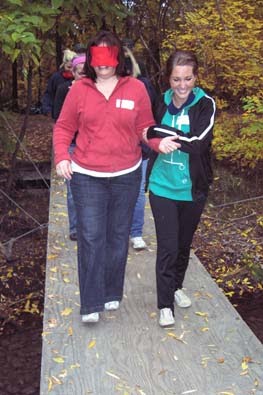

 We just completed our annual ropes course! Ropes is an awesome experience where participants are afforded the opportunity to look at self-limiting beliefs and
 make new choices about the way they face life. No one walks away from this full day in the woods without re-evaluating what's possible and what they're really capable of. What's holding you back? Thanks to those who participated this year (and braved the weather), we hope to see you all next year!
Thursday, October 21, 2010
Children's Clinic
Your children ages 4-11 are invited to join us for a special children's clinic on November 13, 2010. We'll work on developing an awareness of our feelings and learn some healthy ways to deal with anger, sadness and loss. The children will work through a coloring concept book and also participate in a discussion, games and a craft project. Parents are encouraged to attend with their child.
Details:
Date: Saturday, November 13, 2010
Time: 4-7 yrs 10:00am - 11:00am
8-11 yrs 11:30am - 12:30pm
Location: Institute of Healing Arts
Cost: $25 per child, $20 for each additional child
To Register Call 801-785-5259
Details:
Date: Saturday, November 13, 2010
Time: 4-7 yrs 10:00am - 11:00am
8-11 yrs 11:30am - 12:30pm
Location: Institute of Healing Arts
Cost: $25 per child, $20 for each additional child
To Register Call 801-785-5259
Subscribe to:
Posts (Atom)

 Posts
Posts


